It was a busy but fun conference at the National Communication Association this past weekend sharing research, (re)connecting with wonderful colleagues and friends, and learning new skills and knowledge! 💙
Allison Lucas and I shared our paper on how the US National Climate Assessment report invokes climate change risks and organizational responses (with coauthors Christine Nyawaga and Sandaruwan Subasinghe).
Our NEW White Paper from the RISE Lab aim to cast a light on the struggles that Black, Indigenous and People of Color (BIPOC) entrepreneurs faced during the so-called “First Phase” of the COVID-19 pandemic in Michigan (approximately March-July, 2020) and how some of them have been able to bounce back. Because BIPOC entrepreneurs have historically been excluded from resources and opportunities, now, more than ever, it is important to recognize the unique challenges that face BIPOC entrepreneurs, and to establish a well-balanced and equitable system of support for all entrepreneurs.
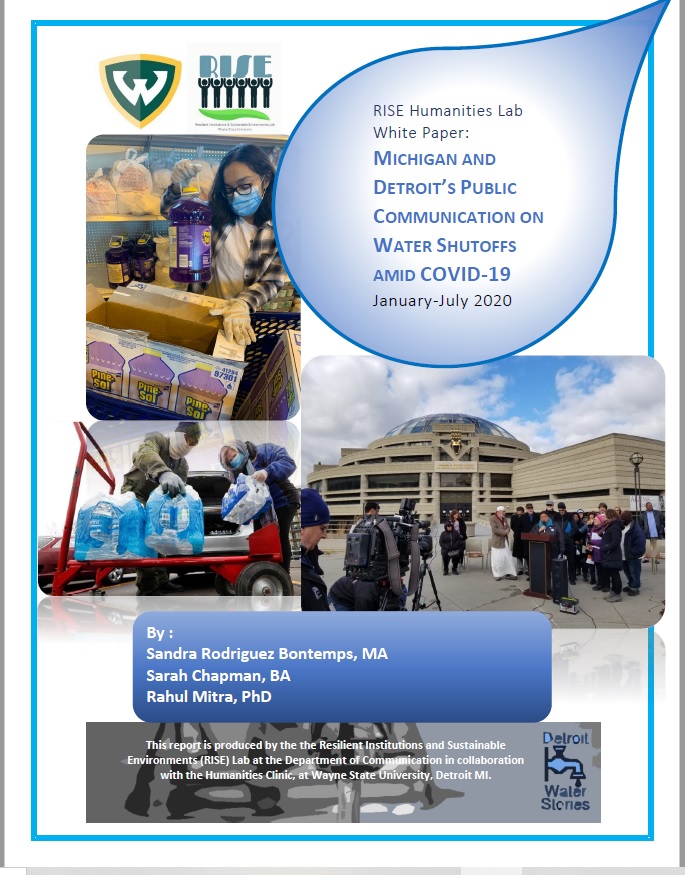
The RISE Lab is happy to release a White Paper detailing how institutional authorities in the State of Michigan and City of Detroit addressed water affordability and the mass water shutoffs related to the COVID-19 pandemic. When the first cases of COVID-19, caused by the novel coronavirus, were identified in the United States, community activists appealed to authorities to reverse this shutoff policy. Although the Centers for Disease Control (CDC) urged people to wash their hands regularly for at least 20 seconds to prevent community spread of COVID-19 , activists pointed out that this was impossible for many Detroit residents who lacked running water in their homes. Their pleas were initially dismissed, however, and it was not until March 10, 2020, by when Detroit had emerged as a national epicenter of COVID-19, that Governor Gretchen Whitmer issued executive order EO2020-28 halting water shutoffs and restoring water to disconnected homes. In December 2020, Detroit Mayor Mike Duggan announced that the City would cover outstanding payments through 2022 and permanently end shutoffs, but questions remain about whether these promises will be upheld, if they have not fundamentally changed their language and assumptions of the root problems related to water affordability.
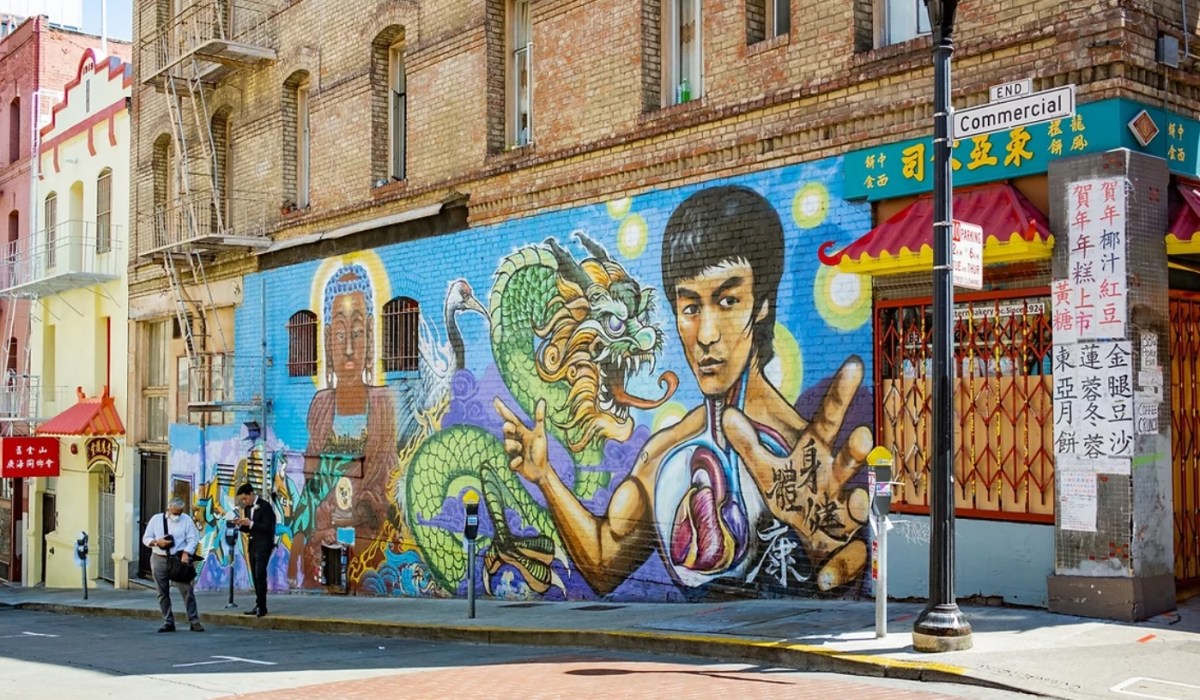
I’m privileged to be on a powerhouse team with my WSU colleagues Drs. Stephanie Tong and Elizabeth Stoycheff on a new project that examines racist harassment, both online and offline, against Asians and Asian Americans, related to the novel coronavirus pandemic, and we just released a White Paper that is FREE for download.
For the August 2020 issue of Management Communication Quarterly, the journal has published an OPEN-ACCESS forum essay where a multicultural team of organizational communication scholars, from different universities, reflected on our collective sense-making of the historic COVID-19 pandemic. The essay builds on personal narratives from each of us on different questions posed by the lead researcher, to create a beautiful mosaic from our words, ideas and feelings. Below, I try to another iteration, by crafting together my fragmented narratives from an earlier, unedited version of the essay, to re-present those forms of expression, to create a new/old essay rooted in praxis. Thank you for reading.
When I began work on the Detroit Water Stories project, back in 2017, I was puzzled why more people living in the city and suburbs were not aware of or perturbed by the mass water shutoffs that had already impacted close to 100,000 households, since 2014. This was, after all, an issue that the United Nations had condemned in no uncertain terms as a major violation of human rights, after the Detroit Water and Sewerage Department started disconnecting water for residents who could not pay their bills — and in the richest country of the world, no less!






 Rahul Mitra